
By Tendai Chisiri
The 2026 FIFA World Cup is set to showcase more than just national pride. This year, eight sets of brothers are expected to grace football’s biggest stage, with four pairs wearing different colors and turning family group chats into tactical battlefields.
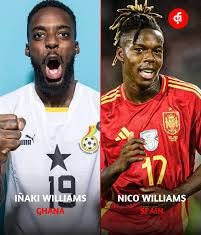
The Williams Split: Ghana vs. Spain
One of the most famous sibling dynamics in modern football headlines the divide. Iñaki Williams will lead the line for Ghana, while younger brother Nico Williams represents Spain. Born in Bilbao to Ghanaian parents, the brothers chose separate international paths — a decision that could see them face each other in the knockout rounds.
“It’s special, but once the whistle blows, he’s just another opponent,” Iñaki told reporters last month.
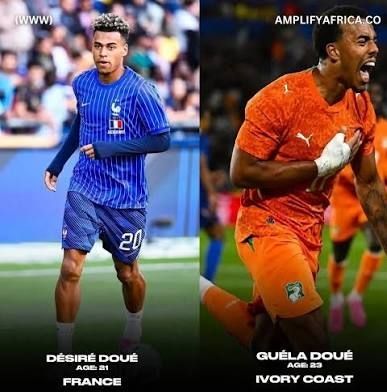
Doué Brothers: Ivory Coast vs. France
Born in France to Ivorian parents, Guéla and Désiré Doué are living the dual-heritage story of modern football. Guéla has committed to Ivory Coast, while teenage sensation Désiré will line up for France. The prospect of the brothers dueling in midfield has already sparked debate from Abidjan to Paris.
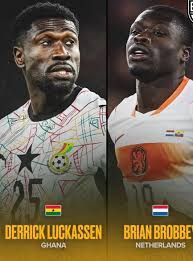
Luckassen-Brobbey: Ghana vs. Netherlands
The family split continues with Derrick Luckassen in Ghana’s squad and Brian Brobbey leading the attack for the Netherlands. Both Amsterdam-born, the brothers took different routes after coming through Dutch academies, highlighting how migration and identity shape international football.
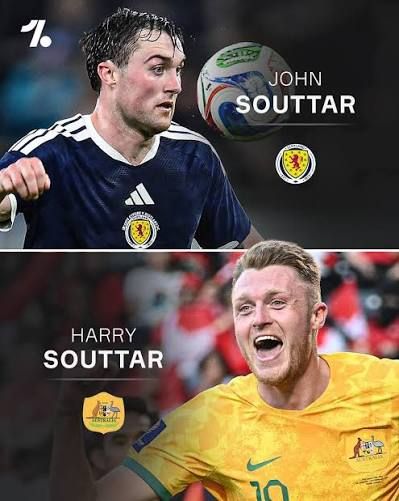
Souttar Clash: Scotland vs. Australia
Defenders John and Harry Souttar represent different confederations entirely. John anchors Scotland’s backline, while towering brother Harry turns out for Australia. With both nations in the expanded 48-team tournament, a family reunion on the pitch is possible.
Brothers in Arms
While some families are divided, others are united. France boasts Lucas and Théo Hernández, the Netherlands has Jurriën and Quinten Timber, Cape Verde fields Laros and Deroy Duarte, and Curaçao counts on Leandro and Juninho Bacuna — all suiting up for the same nation.
The rise in sibling matchups reflects the global, multicultural nature of the modern game. Decades of migration mean players with ties to multiple nations must choose a flag, sometimes splitting households in the process.
“The family group chat is going to be electric,” one fan posted online, summing up the mood.
With 48 teams at the 2026 World Cup, chances for these brothers to meet on the pitch have never been higher. For schedules, rosters, and updates, fans can visit the official FIFA World Cup hub. Video highlights and tou
 News Sport Online