
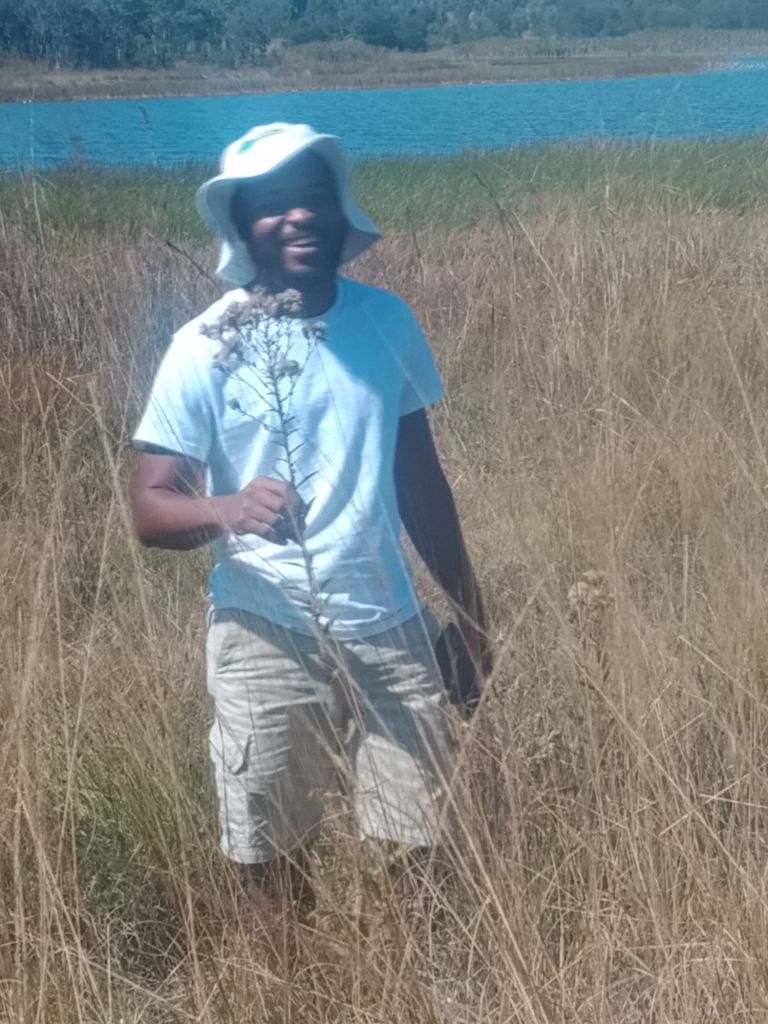
By Tendai Chisiri
HARARE – The University of Zimbabwe hosted a two-day 4th Annual Media and Crisis Communication training workshop on Wetlands and Climate Communication to equip journalists, students, scientists, and advocates with skills to create narratives that push communities to protect wetlands and act on climate change.
Wetlands are land areas saturated with water either permanently or seasonally – think dams, vleis, marshes, and river floodplains. They act like nature’s kidneys: they filter and store clean water, control floods and droughts, support fisheries, and provide ecotourism opportunities.
Wetlands also host massive biodiversity. Cleveland Dam alone has 400 bird species plus zebras, giraffes, impala, and aquatic life.
“Wetlands are not free land. Destroying wetlands makes us lose due to floods and we may not be able to control droughts,” said UZ student Gamuchirai Chiweshe. “Water is life. If these wetlands were misused by our forefathers, we wouldn’t be here now. Let’s protect them for future generations,” added Gregory Jambaya, research assistant at UZ’s Environment, Climate and Sustainable Development Institute.
Targeting 4th year journalism, multimedia, graphics, film and radio students, the workshop aimed to bridge science and community action.
“Primarily, the aim is to expose students, media, scientists, and advocates so they are empowered with knowledge to create powerful narratives that activate communities into pro-environmental attitudes and behaviours,” said Prof Nehemiah Chivandikira of UZ’s Creative Media and Communications department. He stressed stories must be “intelligible” and relatable to local, national, and international leaders.
Jambaya said communicators must “get into communities and talk about the importance of wetlands in the vernacular language for many to understand.”
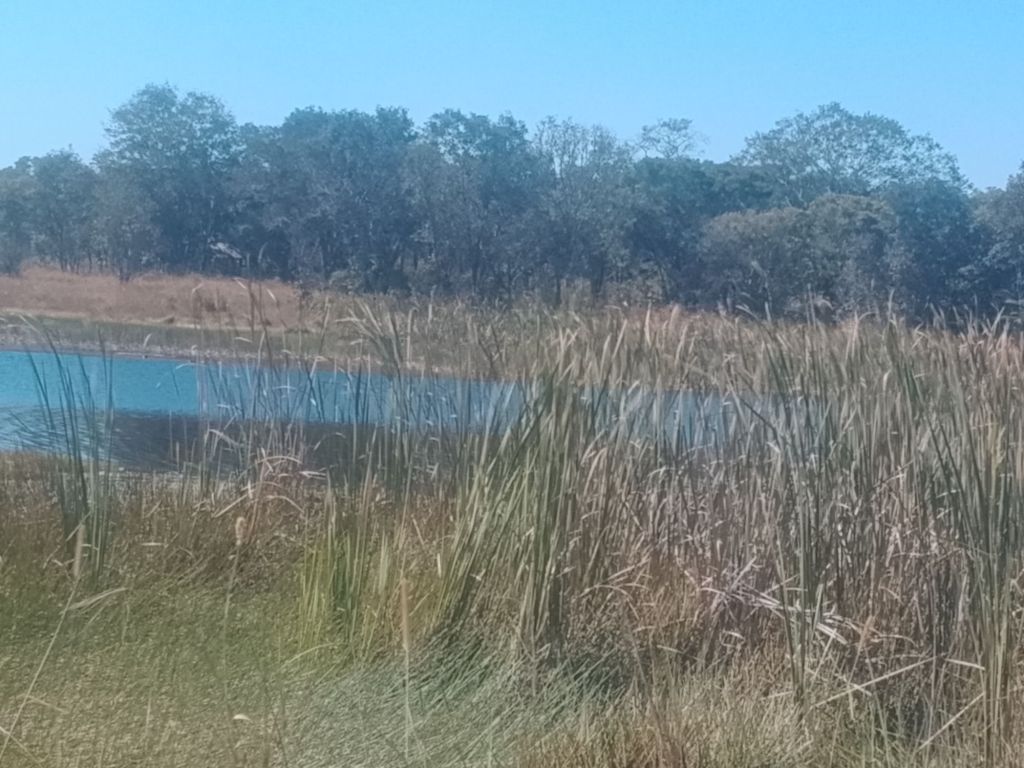
Day 2 moved to Cleveland Dam, one of Zimbabwe’s 7 Ramsar Sites – wetlands of international importance. Zimbabwe joined the Ramsar Convention in 2013. The other 6 sites are Monavale Vlei, Driefonten Grasslands, Chinhoyi Caves, Victoria Falls, Mana Pools, and Lake Chivero. After COP15 in Victoria Falls, Zimbabwe became Ramsar Convention president until 2028.
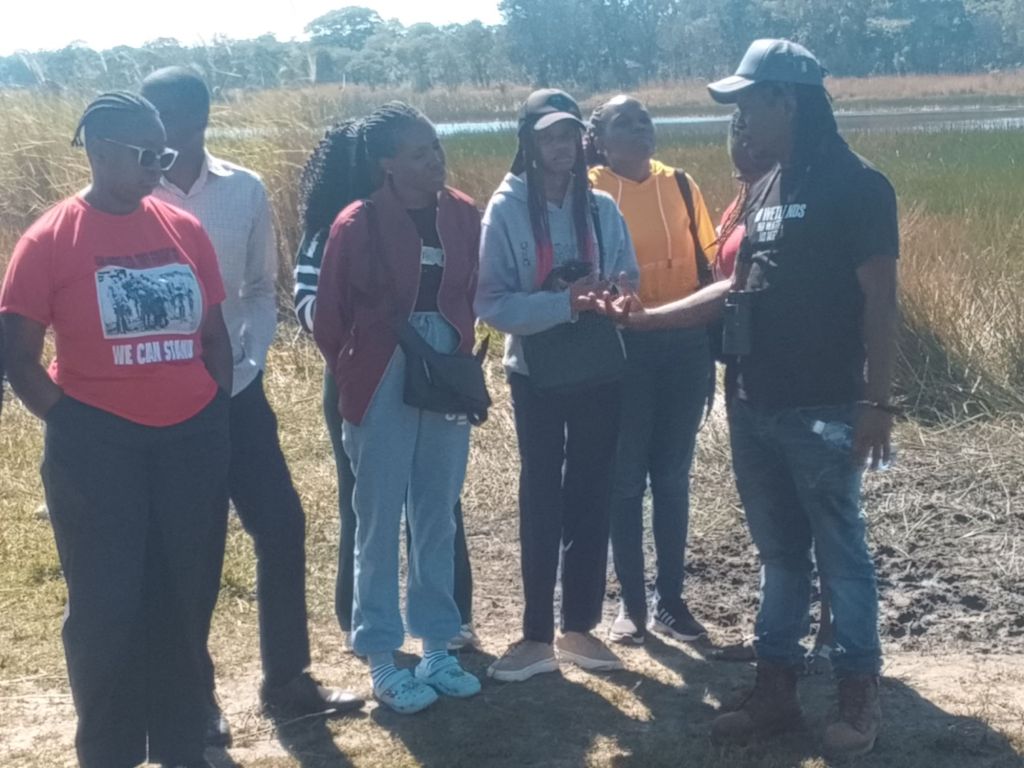
Cleveland Action Alliance Trust Coordinator Jimmy Mahachi explained the Ramsar name comes from the 1971 convention held in Ramsar, Iran. Conversation Society of Monavale officer Jimmy Muropa led students through Haka Park and flagged sand mining as a key threat. “Springs are being destroyed by sand poaching as sand is being mined illegally near the wetlands,” he said.
BirdLife Zimbabwe CEO Julia Pierini also addressed students during the tour. Cleveland Dam supports canoeing, horse riding, hiking, and barbeques, showing how conservation and livelihoods can coexist.
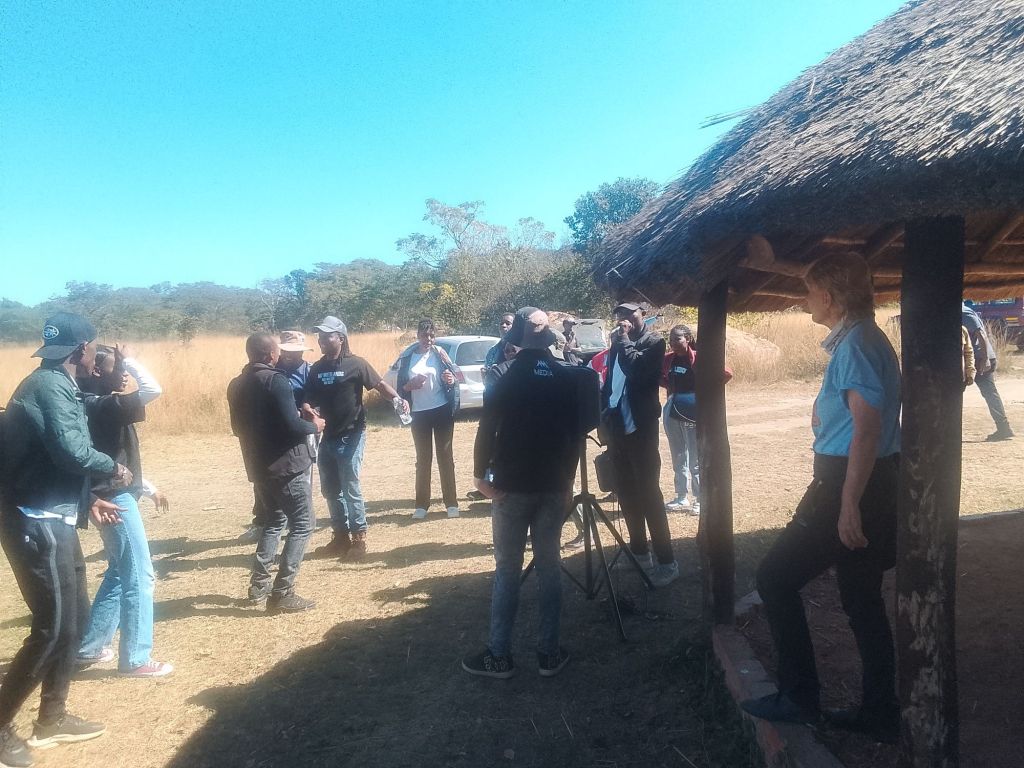
With climate extremes increasing, participants left with a clear message: protect wetlands to secure water, food, and future generations. The push now is for Eco Clubs in communities to take ownership.
 News Sport Online