
By Tendai Chisiri
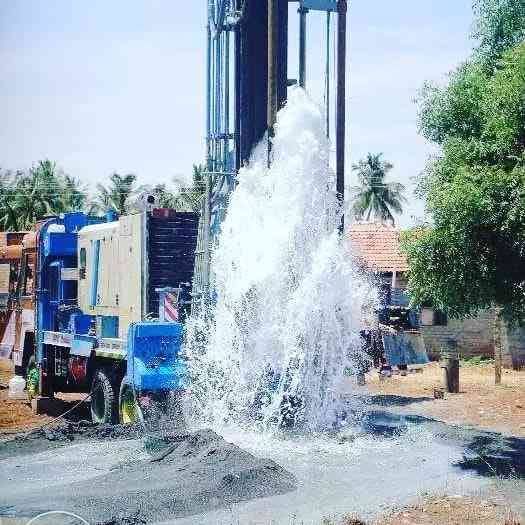
HARARE – Zimbabwe’s groundwater management has shifted gear with the rollout of two “twin laws” on 1 April 2026, making borehole registration and permitting mandatory for both urban and rural properties. Authorities say the move is aimed at curbing over-extraction and unregulated drilling.
The laws are:
- Statutory Instrument 177 of 2025 – for rural and communal areas
- Statutory Instrument 191 of 2025 – for urban and city areas
Officials describe them as enforcement laws, with penalties already being applied.
- Existing Boreholes Must Be Registered
If you drilled before 1 April 2026, you are not exempt. Owners must:
- Register the borehole with the Zimbabwe National Water Authority [ZINWA]
- Register with the relevant Local Authority [City Council or Rural District Council]
Failure to comply attracts a US$300 fine per visit, per inspection. Each non-compliant visit resets the penalty.
- New Boreholes Need Permits First
Before drilling, you must obtain:
- A ZINWA Siting Permit
- Council Approval/Permit
These determine if drilling is allowed, assess environmental impact, groundwater sustainability, and proper spacing between boreholes. “Drilling first and fixing papers later” is now illegal.
- Drilling Companies Face Heavy Fines
Contractors are also liable. Drilling without verifying permits attracts a US$2,000 fine per incident. “The client said it’s fine” is no longer a defense. Companies must verify compliance before starting work. - Why the Crackdown?
Government says the boom in unregulated boreholes has led to:
- Over-extraction of groundwater
- Poorly sited boreholes
- Drying aquifers in urban areas
The goal is to protect underground water reserves, prevent overcrowding, and introduce national water governance.
- How Much Does Registration Cost?
Zimbabwe recently scrapped the US$150–US$250 annual abstraction levy for households and businesses. However, registration fees with ZINWA and local authorities still apply. ZINWA has not published a flat national fee for 2026, and costs vary by council and borehole use. 013b
Contact your local ZINWA office and council for the exact fee schedule, as charges differ between domestic, commercial, and agricultural boreholes. The removal of the abstraction levy means you no longer pay annual usage fees, but registration and permitting remain mandatory.
- What You Should Do Now
- Register existing boreholes immediately with ZINWA and your council
- Visit ZINWA and council offices to get paperwork in order
- For new boreholes, secure permits before drilling
- If you used informal drillers or backyard deals, your borehole is likely non-compliant
Government says enforcement is underway, similar to the shift from informal to controlled land use. A borehole is now treated as a regulated national resource, not just a private water source.
Bottom line: Compliance is cheaper than repeated US$300 fines. Check with ZINWA and your local council today to avoid penalties.
 News Sport Online