
By Desire Tshuma
By Desire Tshuma
GREATER HARARE – At The Lea Farm, 35km outside Harare, the sound of feeding sables mixes with the buzz of beehives and the splash of fishponds.
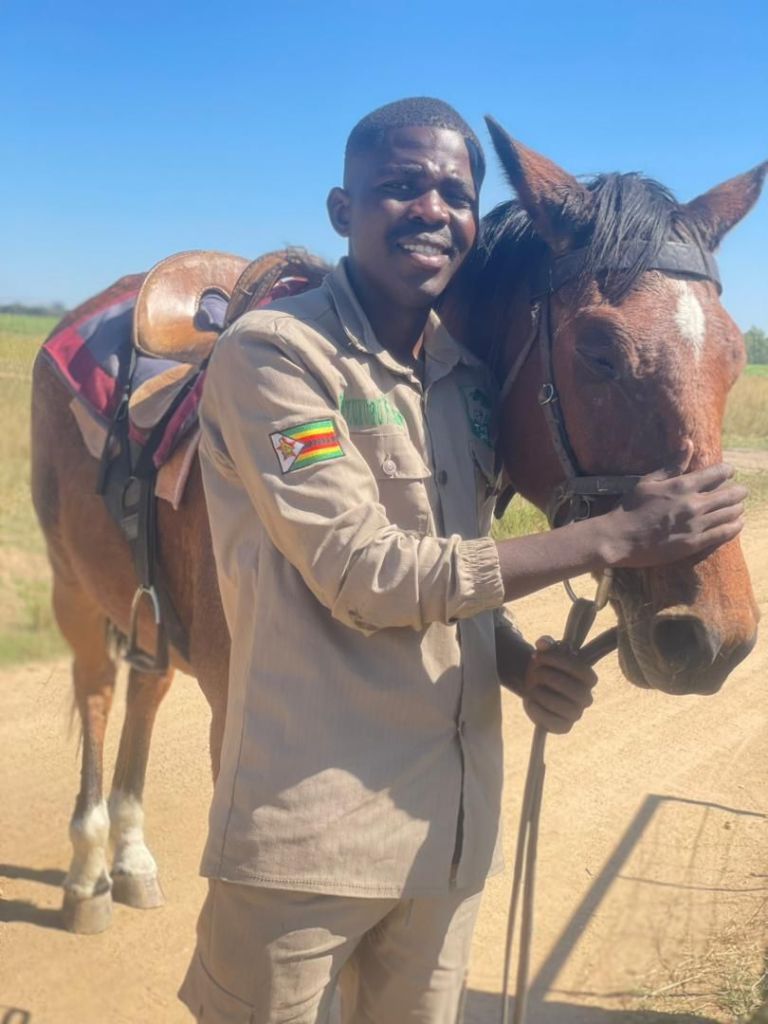
The 200-hectare property is now a working model of diversified farming, employing 50 workers from surrounding communities. But for its owner, 24-year-old Collins Washayenyika, getting here meant surviving court battles between 2023 and 2025, two months in remand, and threats on his own land.
Washayenyika says The Lea Farm was allocated to his family under Zimbabwe’s land reform program. Today he runs horticulture, maize, livestock, fisheries, and beekeeping alongside a wildlife conservancy that holds sable antelope, impala, kudu, and zebra. The farm supplies vegetables and grain to the Harare market, produces tilapia in lined ponds, and sells honey locally.
Between 2023 and 2025, he faced what he describes as a coordinated attempt to push him off the property. “Surrounding farmers came with lawyers and used money to influence people in high places to try and evict me. They wanted the farm for themselves,” Washayenyika says. The dispute ended in court, but not before he, his father, and other family members were arrested and spent about two months in remand prison in Chinhoyi while the case was pending. The courts eventually ruled in his favor, and he returned to full control of the property.
He says intimidation continued outside the courtroom. One incident, he alleges, was designed to run him off the road. “A car came from a different direction when I was driving and hit my car right at the center, then sped off. That’s when I knew they were serious about scaring me away,” he recalls. Washayenyika chose to stay, arguing that the farm was more than land—it was the foundation of his business and his family’s future.
Now that ownership is secure, a new challenge has emerged: poaching. “We’re now fighting battles with poachers who want to hunt wildlife on the farm,” he says. He is working with private security to patrol the property and protect the high-value animals.
Washayenyika says his work at The Lea Farm is guided by President Dr. Emmerson Mnangagwa’s mantra of “leaving no one and no place behind” and the broader Vision 2030 for an upper-middle-income economy. “We are trying to show that young people can take up land, employ others, and contribute to food security and conservation at the same time,” he says.
For the 50 workers on site, the farm has become a stable source of income. For Washayenyika, it’s proof that diversification can make a farm resilient. “The farm is my life now. I lost time and money in those battles, but I’m not losing this place again. We’re building something that can employ people and protect wildlife for the next generation,” he says.
The Lea Farm stands as one example of how young farmers in Zimbabwe are combining agriculture, aquaculture, apiculture, and conservation to build sustainable businesses despite ongoing challenges.
 News Sport Online