
By Leroy Magebede
Zimbabwe’s media industry is undergoing a quiet but substantive shift in how stories about marginalized communities are told, with editors stepping into more active roles to guide inclusive coverage.
For years, reporting on key populations—including LGBTI individuals—often lacked sensitivity, context, and depth. Now, thanks to increased media engagements led by freelance journalists, and new editorial standards, newsrooms across the country are reassessing their responsibilities.
Historically, Zimbabwean journalism either ignored key populations entirely or spotlighted them in moments of controversy.
Coverage often relied on sensationalism, invoking stereotypes and framing stories through a lens of conflict or deviance. Editors played passive roles—allowing problematic narratives to pass through unchecked and contributing to the stigmatization of the community.
Features on gender nonconforming individuals or non-heteronormative relationships were frequently one-dimensional, portraying characters in roles of victimhood or scandal. Few stories explored nuance, identity, or resilience.
Even in editorial planning meetings, key population issues were considered “too sensitive,” leading to omission or watered-down content.
This editorial inertia began to shift due to sustained advocacy from freelance journalists who recognized that newsroom culture needed to evolve.
Through targeted media engagements and peer-to-peer collaborations, they prompted a re-examination of how coverage decisions were made and whose voices were being prioritized.
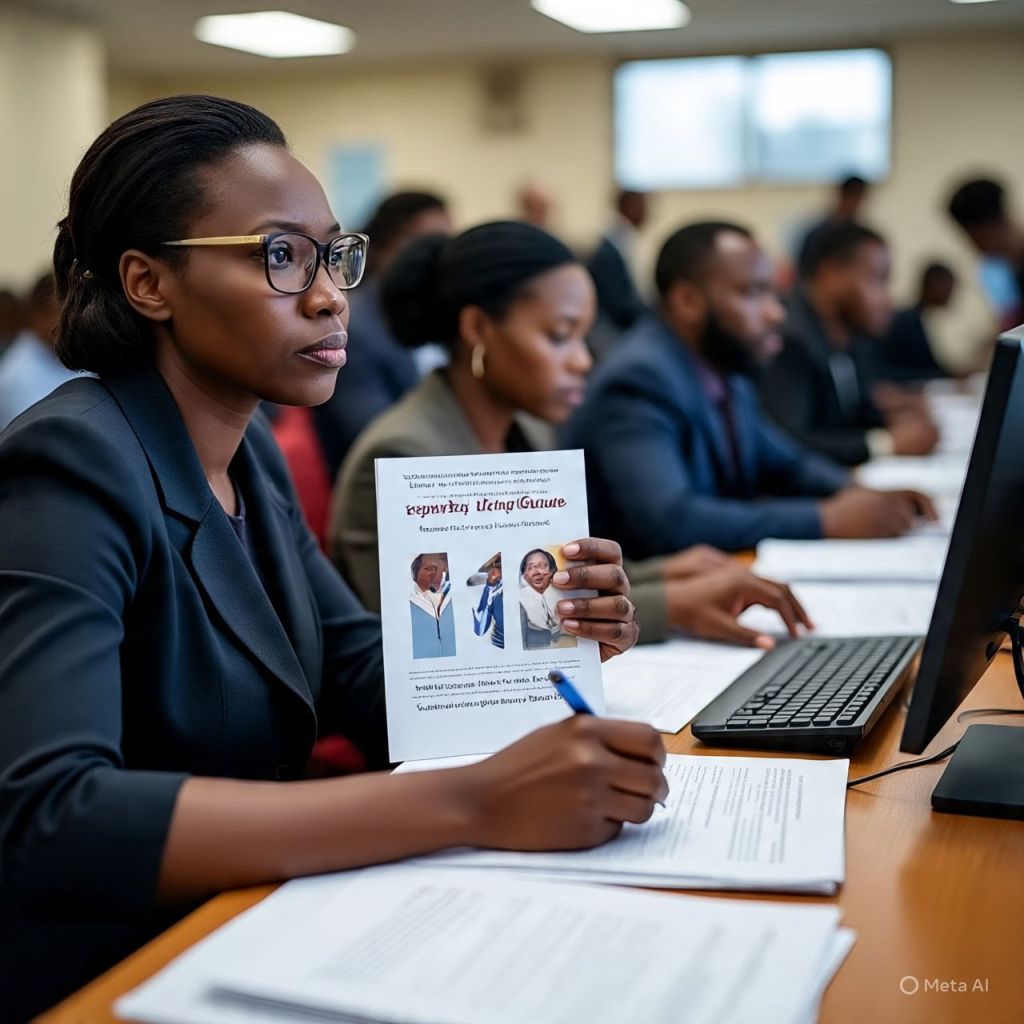
The most tangible outcome of this movement was the creation of a Reporting Guide for Zimbabwean media practitioners. Developed after a series of consultations and workshops, the guide offers concrete tools for ethical reporting—clarifying terminology, identifying respectful angles, and laying out best practices for engagement. Crucially, it empowers editors to take ownership of inclusive journalism, not just as policy but as editorial ethos.
Editors now wield greater influence in reshaping national narratives. From assigning stories that celebrate community achievements to rejecting language that reinforces stigma, they are redefining the role of gatekeeping.
This is not simply about protecting newsroom reputation—it’s about recognizing that editorial choices have real-life consequences for visibility, dignity, and public perception.
An increasing number of editorial teams are choosing to highlight the cultural contributions, leadership roles, and advocacy work of key populations.
Rather than focusing solely on challenges or conflict, they are placing emphasis on joy, strength, and everyday lived experience.
The result? Readers are encountering richer, more accurate portraits of the community, and the national conversation is slowly expanding.
While reporters gather the facts, it is editors who shape the story-and in a society grappling with historical exclusion, that power must be exercised responsibly. Inclusive journalism is no longer a niche discipline-it is a baseline expectation.
Editors have the unique opportunity to embed ethical standards across every layer of newsroom practice, from pitch to publish.
The Reporting Guide created through freelance-led media engagements is not just a toolkit-it’s a declaration that inclusive reporting is both possible and necessary. And it affirms that editors are not just custodians of content-they are architects of change.
 News Sport Online