
Dr Jamezany James
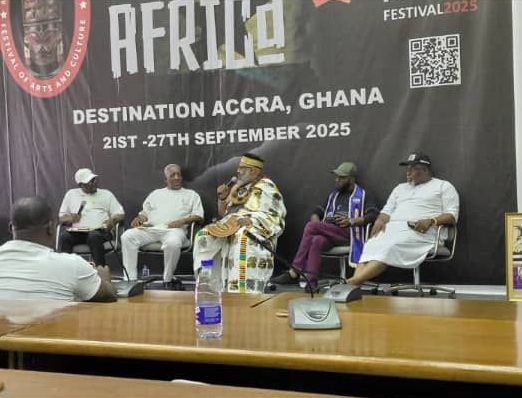
As a recipient of the Nelson Mandela Leadership Award for Excellence and Integrity, I carry forward Madiba’s dream of a united, prosperous Africa.
That vision compels us today to align Nigeria’s powerhouse Nollywood with the dynamic film industries of South Africa (Mzansi), Zimbabwe, Botswana, Namibia, and the broader Southern African region — creating a synergy that amplifies stories, markets, and opportunity across the continent.
This article outlines a concrete roadmap for leveraging Nollywood’s scale, distribution networks, and production expertise to strengthen Southern Africa’s film sector, while honoring the legacy of Nelson Mandela, a true father of Africa.
Why a Nollywood‑Southern Africa Partnership Makes Strategic Sense
Co‑productions
– What Southern Africa gains: Larger budgets, access to world‑class equipment and post‑production labs in Lagos/Kano.
– What Nollywood gains: Fresh, authentic narratives rooted in Southern African cultures and stunning landscapes.
Market Access & Distribution
– Southern Africa gains: Entry to West African markets (180 million+ viewers) and diaspora platforms.
– Nollywood gains: A diversified audience for multilingual films (English, Zulu, Shona, Afrikaans, French).
Talent Exchange
– Southern Africa gains: Skills transfer in script development, cinematography, digital marketing, and film finance.
– Nollywood gains: Exposure to Southern African storytelling traditions and emerging talent pools.
Tourism Promotion
– Both gain:Showcase iconic sites — Kruger National Park, Victoria Falls, Cape Town’s coastline — driving tourism revenue and offering cost‑effective location options for blockbuster shoots.
Policy Advocacy
– Unified voice for tax incentives, reduced equipment tariffs, and stronger anti‑piracy frameworks across SADC and ECOWAS, strengthening bargaining power in continental forums such as AfCFTA and the AU Year of Arts, Culture and Heritage.
Pillars of the Collaboration
1. Joint Production Fund
– Seed capital from the Nigerian Film Corporation, South African Film and Television Authority (SAFTA), and Zimbabwe Film Commission, plus private investors.
– Prioritise projects featuring at least one Southern African location, a Nigerian crew member, and multilingual scripts (e.g., English, isiZulu, Shona).
2. Talent Pipeline & Capacity Building
– Mentorships: Emerging directors from Mzansi and Zimbabwe spend 3‑month residencies at Nollywood studios in Lagos or Enugu.
– Reverse Residencies: Nigerian producers and technical staff work at Cape Town Film Studios or Zimbabwe’s New Horizons Studio.
– Workshops: Film finance, intellectual property, digital distribution led by industry veterans.
3. Distribution & Exhibition Synergy
– Distribute curated Southern African films through Nollywood’s existing channels — YouTube, DSTV, Netflix, Showmax.
– Reciprocal premieres at flagship festivals: Durban International Film Festival, UGU Film Festival (Zindela), Zimfest, Nigeria’s KILAF, and AFRIFF.
4. Infrastructure Sharing
– Use Cape Town’s advanced post‑production labs for colour grading and VFX; Lagos’ sound‑mixing suites for large‑scale productions.
– Establish equipment rental pools in Nairobi, Johannesburg, and Harare to lower cross‑border costs.
5. Cultural Promotion & Tourism Tie‑ins
– Embed authentic languages, music, and heritage sites (Victoria Falls, Kruger, Cape Town) into Nollywood narratives.
– Joint “Film Your Vacation” campaigns to boost tourism and showcase diverse African backdrops.
A Call to Action
– Governments & Regional Bodies: Fast‑track bilateral co‑production treaties, offer tax breaks, simplify permit processes, and enforce anti‑piracy measures. Align film policies under AfCFTA and the AU Year of Arts, Culture and Heritage.
– Industry Stakeholders: Form a Pan‑African Film Integration Task Force comprising Azania Filmmakers Association, Nigerian Film Corporation, SAFTA, and Zimbabwe Film Commission. Draft a 2025‑2028 roadmap with measurable targets for co‑productions, audience reach, and job creation.
– Leaders: Honor Nelson Mandela’s legacy by championing cultural integration as a pillar of economic diplomacy.
Closing Thought
Nollywood’s scale, Mzansi’s production polish, and Zimbabwe’s emerging creative energy are complementary forces. When we combine resources, stories, and markets, we move from isolated film scenes to a resonant African cinema that speaks to the world.
_Let our screens become bridges, our stories become unity, and our industries become one._
Dr Jamezany James
Cultural Diplomat, Head of Azania Filmmakers Association (Pan‑Africa), Recipient of the Nelson Mandela Leadership Award for Excellence and Integrity
 News Sport Online