
By Tendai Chisiri
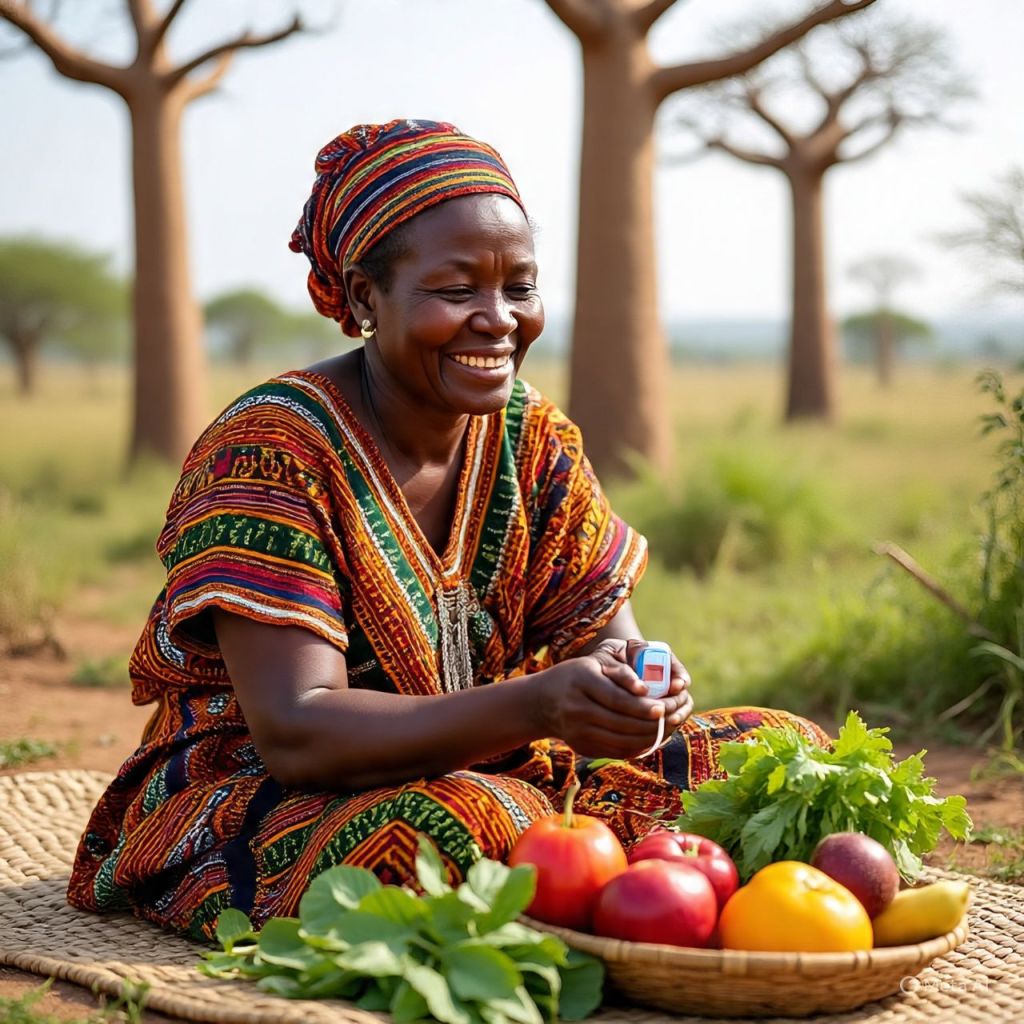
Managing Diabetes and Hypertension in Zimbabwe: A Guide to a Healthier Lifestyle
As we navigate the complexities of modern life, our health often takes a backseat. In Zimbabwe, the prevalence of diabetes and hypertension has reached alarming levels, making it imperative to prioritize our well-being.
These two conditions, often referred to as “silent killers,” can have devastating consequences if left undiagnosed or unmanaged.
According to the World Health Organization (WHO), Zimbabwe has seen a significant increase in non-communicable diseases (NCDs), with diabetes and hypertension being among the top contributors. A study published in the Journal of Endocrinology and Metabolism found that the prevalence of diabetes in Zimbabwe is estimated to be around 6.4%, with a significant proportion remaining undiagnosed.
Hypertension, on the other hand, affects approximately 30% of the adult population in Zimbabwe, with many cases going undetected. The Zimbabwe Demographic and Health Survey (ZDHS) 2015-16 reported that only 27% of women and 15% of men with hypertension were aware of their condition.
Early detection is crucial in managing both diabetes and hypertension. When detected early, these conditions can be effectively managed through lifestyle modifications and, if necessary, medication. However, if left untreated, they can lead to severe complications, such as:
- Heart disease and stroke
- Kidney damage and failure
- Blindness and vision loss
- Nerve damage and amputations
Fortunately, many cases of diabetes and hypertension can be prevented or managed through simple lifestyle changes. Here are some tips:
- Maintain a healthy diet: Focus on whole, unprocessed foods like fruits, vegetables, whole grains, lean proteins, and healthy fats. Limit sugary drinks, fast food, and processed snacks.
- Stay physically active: Engage in at least 150 minutes of moderate-intensity aerobic exercise or 75 minutes of vigorous-intensity aerobic exercise per week. You can also incorporate strength-training exercises, flexibility exercises, and high-intensity interval training (HIIT) into your routine.
- Manage stress: Engage in stress-reducing activities like meditation, yoga, or deep breathing exercises. Get enough sleep (7-8 hours for adults) and take regular breaks throughout the day.
- Monitor your weight: Aim for a healthy body mass index (BMI) between 18.5 and 24.9. Even a small weight loss (5-10% of your body weight) can significantly reduce your risk of developing these conditions.
- Get regular check-ups: Regular health check-ups can help detect these conditions early. Work with your healthcare provider to develop a personalized plan for managing your health.
In Zimbabwe, it’s essential to be mindful of the local diet, which often features high amounts of sugar, salt, and saturated fats. Here are some Zimbabwean-specific tips:
- Choose traditional foods wisely: While traditional Zimbabwean cuisine can be delicious, some dishes are high in sugar, salt, and fat. Opt for dishes that feature plenty of vegetables, lean proteins, and whole grains.
- Use herbs and spices for flavor: Instead of relying on salt and sugar for flavor, try using herbs and spices like garlic, ginger, and chilies.
- Stay hydrated: Drink plenty of water throughout the day, especially in the hot Zimbabwean climate. Avoid sugary drinks and limit your intake of caffeinated beverages.
Diabetes and hypertension are serious health conditions that require attention and action. By adopting a healthy lifestyle and working with your healthcare provider, you can reduce your risk of developing these conditions or manage them effectively if you’ve already been diagnosed.
Remember, prevention is better than cure. Take control of your health today by making informed choices about your diet, physical activity, stress management, and regular check-ups. Together, we can work towards a healthier Zimbabwe.
By working together, we can create a healthier future for ourselves and our communities. Let’s take the first step towards a healthier lifestyle today!
 News Sport Online