
By Tendai Chisiri
Food and Agriculture Organisation (FAO) of the United Nations Subregional Representative for Southern Africa Dr. Patrice Talla Takoukam has implored for bold leadership, coordinated action, partnerships and unwavering commitment to the transformation of Zimbabwe’s horticulture sub-sector through exports.
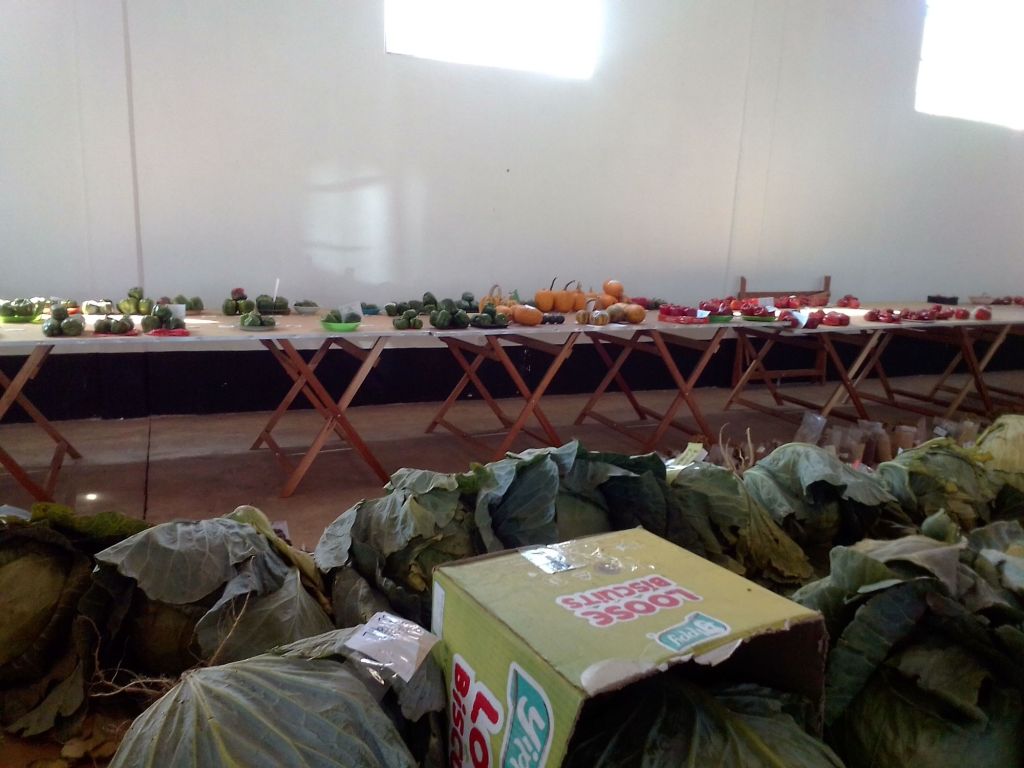
He said this at the National Economic Consultative Forum event which is held during the Zimbabwe Agricultural Show at Harare Show Grounds under the theme ” Building Resilient and Market-Driven Horticultural Value Chains .
In a speech at the Annual National Agribusiness Conference (ANAC) on behalf of United Nations Resident Coordinator and Humanitarian Coordinator, Edward Kallon, Dr. Takoukan said Food and Agriculture Organisation (FAO) of the United Nations reaffirms it’s commitment in supporting Zimbabwe’s journey toward a resilient, inclusive, and export-driven horticulture sector.
He emphasised on the strategic importance of horticulture to Zimbabwe as far as exports are concerned .
“Horticulture is a strategic pillar in Zimbabwe’s agricultural transformation. Currently contributing over US$120 million annually in exports, the sector includes high-level crops such as blueberries, citrus, pecan nuts, macadamia, peas, and cut flowers which are exported to markets in the EU, South Africa, and the Middle East. Emerging value chains are being driven by increased investment, improved irrigation and strategic market development, with blueberries and pecan nuts showing notable growth.
”Zimbabwe’s horticultural sector is expanding, with the government targeting a transformation into a US2 billion industry by 2030,” Dr Takoukam said.
The national vision anchored in the Horticulture Recovery and Growth Plan, aims to build a resilient, inclusive, and export-ready horticulture industry that supports food security, foreign currency generation, employment creation. With its diversity of high-value crops from blueberries and avocados to citrus and cit flowers, horticulture offers immense potential to generate foreign currency, create employment, and uplift rural livelihoods. It is a sector that must be harnessed to accelerate progress towards Vision 2030.
Dr. Takoukam concurred that to unlock this potential, there is need to confront the realties of global competition, climate volatility, and evolving market demands. “The question before us is not whether Zimbabwe can export horticultural products, it is how Zimbabwe can do so consistently, competitively, sustainably whilst also delivering safe foods,” he added.
He elaborated on building resilient and market-driven horticultural value chains noting that resilience and market orientation are not abstract concepts.
“They are built through:
“Investment in infrastructure- Cold chains, packhouses, waste incinerators and irrigation systems are the backbone of export readiness. FAO has insisted in developing irrigation systems mostly in Manicaland and Matebeleland South and two condemned agriculture/food waste inciterators were developed at two ports of entry.
“Compliance with standards- Meeting international phystosanitary and quality standards is non-negotiable. FAO continues to support Zimbabwe through capacity building in SPS compliance and traceability systems through the Codex Alimentarious project.
“Access to Finance- Small holder farmers must be bankable. Innovative financing models, blended capital, and risk-sharing mechanisms are essential. FAO has assisted in setting up a $6.2 million Seed Resolving Fund being managed by AFC Bank.
“Data and Intelligence- Exporters need real-time market data, price trends, and buyer preferences. Digital platforms and extension services must evolve to meet these needs.
“FAO is developing digital village hubs to offer tech based agricultural extension and market information to rural wards”, he said.
He also highlighted that empowering producers and strengthening institutions is paramount.
“Transformation begins at the farm level. We must empower producers especially women and youth with the skills, tools, and networks to participate meaningfully in export markets. Equally, we must strengthen institutions: from producer associations to regulatory bodies, ensuring they are agile, transparent, and responsive”, he added
FAO is proud to work with the Government of Zimbabwe, development partners, and the private sector to support initiatives such as:
The Horticulture Recovery and Growth Plan, which aligns with our global Hand-in-Hand Initiative.
Capacity building for Good Agricultural Practices (GAP) and post-harvest handling.
Support for climate-smart horticulture, ensuring sustainability in the face of environmental challenges.
“Zmbabwe is strategically positioned to serve regional and international markets. The African Continental Free Trade Area (AfCFTA) opens new doors for intra-African trade. Meanwhile, global markets- from the Middle East to Europe- are increasingly seeking ethically produced, high-quality horticultural products. FAO has facilitated the upgrading of 14 human health laboratories to improve efficiency in insect and disease surveillance as well as improve capacity for food safety testing- a key component in regional market integration”, Dr. Takoukam noted.
He implored everyone to position Zimbabwe not just as a supplier, butbas a trusted brand that is synonymous with quality, sustainability, and innovation.
In his closing remarks, he highlighted that transforming the horticulture sub-sector through exports is not a dream, it is a strategic move . He said it requires bold leadership, coordinated action, partnerships and unwavering commitment.
The FAO stands ready to walk this journey with Zimbabwe, offering expertise, policy support, and global partnerships.
 News Sport Online