
By Tendai Chisiri
Southern African region faces a triple crisis: rapid population growth, the escalating impacts of climate change, and rising water and energy demand.
These are trans-boundary challenges that transcend national borders and demand a unified, regional, and continental
response.
Climate change is a reality, and Southern Africa is significantly exposed to climate risks with the mean temperature projected to
continue outpacing the global average increase combined with the
increasing frequency of the occurrence of droughts and floods.
Zimbabwe has not been spared from these extreme events and hence the need for preparedness and collaborated efforts in water resources and energy infrastructure management including dam construction linked to hydropower production.
The Energy sector has suffered immensely from the adverse climate impacts particularly leading to huge reductions in hydropower production which is one of the most affordable sources of electricity.
Zimbabwe and Zambia’s shared hydropower resource, Kariba is a case worth mentioning which has seen hydropower generation dropping to below 25% at some point.
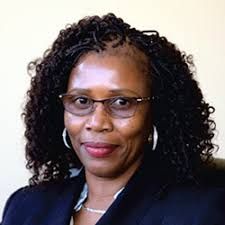
Giving welcome and opening remarks g at the official opening session of the senior officials meetings of the 43rd joint meeting of ministers responsible for Energy and Water, secretary for Energy and Power Development in Harare, Dr. Gloria Magombo said the meeting is a clarion call to action—a rallying point for the region ,as a united Southern Africa,to confront the pressing challenges that threaten the collective future.
She highlighted that Water and Energy are not merely a resource and a service; these are the very lifeblood of our economies, the foundation and anchor of public health, and the cornerstone upon which sustainable development can be built.
“As a country, water management and energy supply security are pivotal towards our sacrosanct aspiration of achieving an empowered and prosperous upper middle-income society by 2030. In the same vein universal access to energy and water will ensure inclusion and equity and diversified economies leaving no one and no place behind”, she revealed.
“We recognise that a lot can be achieved through working together within the national boundaries and at transboundary levels to ensure shared beneficiation and for sustainable futures. We commend SADC for the existing collaboration in power trading through the regional power infrastructure interconnection in the Southern African Power Pool (SAPP) and the work in progress to interconnect to the East African Power Pool (EAPP)”, Dr Magombo added.
Zimbabwe’s geographic positioning makes it strategic for regional collaboration in a number of energy infrastructure facilities including the transportation of fuel through pipeline from Beira and the storage facility with capacity for strategic fuel holding for other countries in the region.
“We fully appreciate the support we have been receiving through different programmes and initiatives e.g. the Groundwater Management project, the SADC-Border WASH Project, the Feasibility Study for Chirundu joint cross-border water supply project with Zambia which was completed in 2019”, she stated.
“Similarly in the energy sector a number of projects including the Energy Efficiency for Livelihoods in Africa (EELA) project, and we are working on hosting the second SADC Sustainable Energy Week in 2026 together with SACREEE”, she added.
Dr Magombo also said that the just energy transition agenda needs attention at regional level to ensure that SADC’s economies also transition for better. “The endowment of the region with critical energy transition minerals should be a blessing and not a curse.Let us join hands and collaborate in moving up the value chains of our energy minerals for diversified economies and sustainable regional markets”, she said.
She reminded delegates as Member States, that it is their profound responsibility to ensure that every citizen has access to life’s most essential and fundamental resources—clean energy to power economy wide activities including clean cooking, clean water, dignified sanitation, and the right to live in a healthy environment.
“We must collectively strategize how to translate into reality the aspirations of Agenda 2063:The Africa We Want,while accelerating progress towards Sustainable Development Goals 6 and 7 which seeks to ‘ensure availability and sustainable management of water and sanitation; ensure universal access to sustainable modern energy for all by 2030.’”, she implored.
The joint meeting is the testament of the efforts being taken to integrate and promote the Water, Energy, Food and Environment (WEFE) nexus within the SADC region and the global village at large.
The discussions will include but not limited to key issues like the preparedness towards implementation of Mission 300, Smart and Clean cooking, the Grand Inga Project as well as the Congo Basin Water transfer and the Revised Regional Water Policy.
 News Sport Online