
By Tendai Chisiri
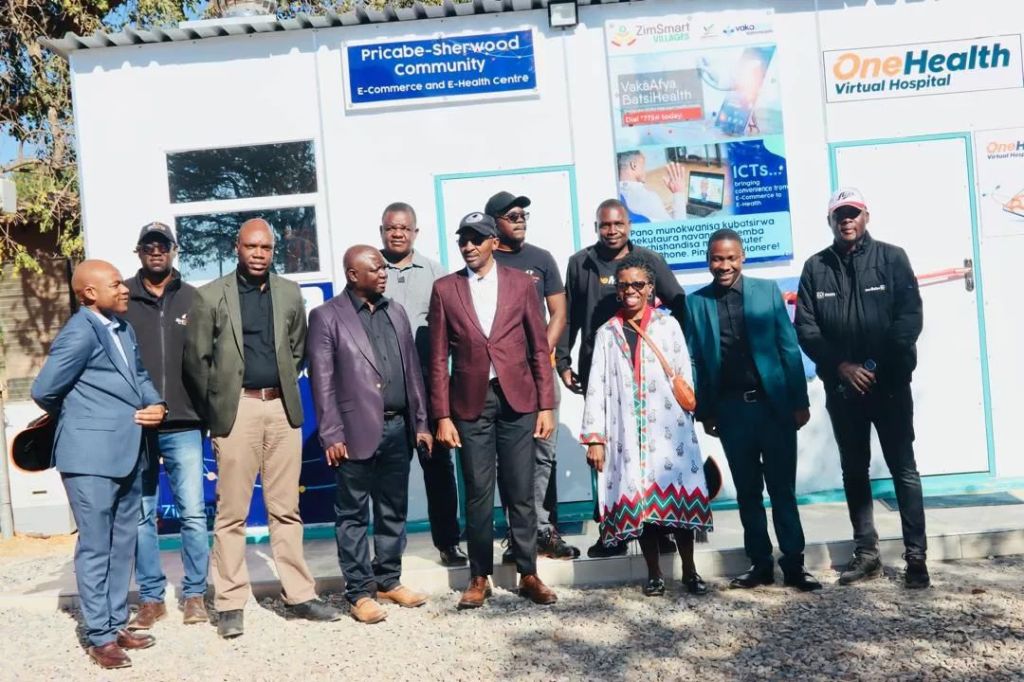
Chronic diseases such as diabetes and hypertension affect millions of people worldwide, disproportionately impacting vulnerable communites.
In Zimbabwe, limited acces to healthcare, geographical constraints and socioeconomic disparities exacerbate the challenge.
Telemedicine revolutionizes this landscape bridging gaps in care and transform lives. By leveraging digital platforms patients can now access specialised care, monitoring and support from anywhere.
Dr. Mike Mangweni a general practitioner and telemedicine and healthcare financing expert said Telemedicine which is there to give health advice, diagnosis and treatment is helpful to early detection and prevention of diabetes and hypertension.
“We usually advocate for one to work with community health worker or village worker. The village health worker should be the one with the machines for testing diabetes and hypertension. The worker should also have charts for reference. So if its high or low the heath condition, the worker should tele consult a professional doctor or nurse at a clinic nearby or in town. This is how diagnosis helps”, he said.
Health workers are usually given the machines to test diabetes and hypertension, however after diagnosis some who may afford can have personal machines and talk with the doctor over the phone”, he added.
“The advantages of Telemedicine is that one can be given the prescriptions or given advice on how to maintain the health conditions over the phone without wasting time to visit the doctor”, Dr. Joka revealed.
“Someone in remote areas of Gweru, Shurugwi or from a far country as Canada can receive health tips over the phone. One has advantage not to use time in visiting a clinic and rates of Telemedicine are much cheaper than physical consultations”, he said.
Telemedicine can help with early detection and prevention of diabetes and hypertension in several ways including remote monitoring whereby patients can share real-time blood glucise with their doctor which can help them to identify problems early and virtual visits such as video visits and virtual check-ins with a nurse between doctor visits can improve outcomes.
Also reduced travel as Telemedicine can increase patient access to care by reducing the need to travel and and patient-orientated care whereby Telemedicine can help clinicians gain insight into a patient’s living situation which can lead to discussions about food, housing and economic security.
Medicare and private insurers pay for most Telemedicine visits. However, coverage for Telemedicine services by Medical aid and private insurers can vary from country.
Diabetes mellitus (DM) leads to complications due to which patients need much more examinations procedures, and clinical visits. Telemedicine improves self-management processes and clinical outcomes of care in DM patients.
It is a valuable, cost-effective and reliable device for screening diabetes patients for various complications and it provides easy access to people in rural areas. These technologies can reach can reach out to remote and underserved communities and serve patients at their doorstep.
Although Telemedicine has several potential advantages it also has some disadvantages or barriers. The biggest barrier is the perception that the costs of setting up a Telemedicine unit are too high.
In August 2024, NetOne a leading telecommunications giant unveiled and showcased Telemedicine at Zimbabwe Agricultural Show. To fully execute the innovative offering which is brain child of the First Lady of the Republic of Zimbabwe Dr. Auxillia Mnangagwa, NetOne in partnership with ZimStart represents this significant step forward in levaraging technology to revolutionise healthcare accessibility and delivering in Zimbabwe reported the local media.
To-date, Dr Mnangagwa has facilitated fourteen Telemedicine booths in communities which are powered by the Vakafya Batsi Health and XMarketplace. These technologies ride on NetOne network and take advantage of the operator’s wide coverage.
Speaking during the launch, NetOne chief commercial officer Mr Learnmore Masunda said, “Telehealth or Telemedicine is like bringing the doctor to you minus waiting rooms magazines. It’s a game-changer in health care allowing patients to connect with medical professionals remotely. Think of it as a Face Timing with your doctor, but with a bit more medical jargon”.
In the world of Telemedicine communication is key. With platform real-time video consultations will bring patients and doctors face to face virtually, ensuring personalised care from the comfort of home. Plus, remote monitoring and follow-up care will help maintain continuity in treatment, keeping everyone on the same page throughout the healthcare journey.
 News Sport Online