
By Tendai Chisiri
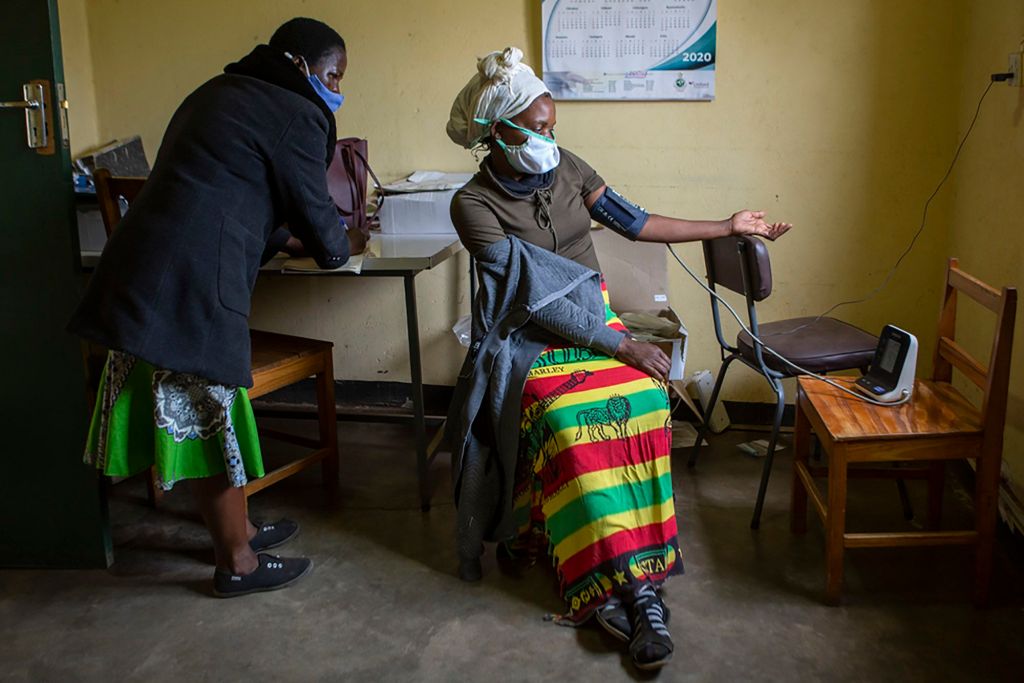
Diabetes and hypertension are two of the most health conditions in Sub-Saharan African African including Zimbabwe affecting millions of people and leading to severe complications if left undetected or untreated.
” There is strong connection between diabetes and hypertension”, Dr. John Mangwiro Consultant Specialist Physician and Diabetes Specialist explains.
”Two out of every three people with Type 2 diabetes also have high blod pressure or take prescription medications to lower their blood pressure. Both are diseases of lifestlye and ageing and share common risk factors. The good news is that diabetes and hypertension can be modified through behaviour including eating a healthful diet exercise, weight control and if your doctor prescribes it, medication”, Dr. Mangwiro said in an interview with our publication.
Dr. Mangiro said early detection and prevention is crucial in managing, preventing complications, and improving quality of life.
In Glen-Norah high-density suburb, a 34-year-old male adult Martin Tototayi succumbed to diabetes and hypertension. He didnot seek medication early becasue he did not knew the symptoms of diabetes and hypertension. When his feet became numb, he presumed that witchcraft was at play.
Symptoms of diabetes are increased thirst and hunger, frequent urination, fatigue or weaknesses, blurred visions, slow healing of cuts and wounds, tingling or numbness in hands and feet, recurring skin, gum or bladder infections, flue like symptoms, weakness, dizziness and stomach pain, rapid weight loss and dark velvety skin patches (acanthosis nigricans). Common symptoms of hypertension are headaches, dizziness or lightheadness, nosebleeds, vision changes (blurred vision, double vision or loss of vision), chest pain or shortness of breath, fatigue or weakness, confusion or disorientation, palpitations or irregular heartbeat, blood in the urine or sever anxiety or stress.
Hypertension is often asymptomatic earning it the nickname ” silent killer”. Regular blood checks are crucial for detection.
People with diabetes either do not have enough insulin to process glucose or their insulin does not work effectively. As a result, glucose accumulates in the bloodstream, which can cause widespread damage to the blood vessels and kidneys.
“Diabetes is the number one cause of kidney failure and one third of diabetics develop kidney disease”, Dr. Mangwiro says. “Diabetes causes damage by scarring the kidneys, which in turn leads to salt and water retention, which in turn raises blood pressure. Over time, diabetes damages the small blood vessels, causing the walls of the blood vessels to stiffen and function improperly. These changes contribute to high blood pressure.”
People with diabetes and hypertension have approximately twice the risk of heart attack and sroke as nodiabetic people with hypertension. Hypertensive diabetic patients are also at increased risk for complications including retinopathy (damage to the blood vessels in the tissue at the back of the eye) and kidney disease.
” The blood vessels in the brain are also susceptible to the damage of high blood pressure”, Dr. Mangwiro explains.”Chronic high blood pressure can lead to the early onset of conditions such as dementia and stroke”.
”Most people with diabetes should have a blood pressure of no more than 130/80. To achieve this, many diabetics need to take hypertension medications. Some hypertension medications are more useful in the treatment of diabetes especially diabetes resulting from kidney disease”, Dr. Mangwiro explains. “These include ACE (Angiotensin-converting enzyme) inhibitors, angiotensin II blockers, ACE 2 inhibitors. A new class of drugs called SGLT2 inhibitors are beneficial to diabetics in ways other than sugar control, such as slowing kidney and heart damage. They also help control blood pressure and weight gain”.
”Living with diabetes requires monitoring blood sugar levels daily, deligently taking medications, exercising regularly, maintaining of healthy weight, and watching what you eat every day. To avoid hypertension, diabetics need to restrict their salt intake as well. The average diet has 5 grams of sodium per day and the recommended is 2.3 grams per day which is about a teaspoon of salt. It is important to eat plenty of fruit, vegetables, fish, healthy fats and whole grains”, Dr Mangwiro explains.
Lifestyle modifications such as eating a healthy diet and getting regular exercise can reduce complications from diabetes as well as high blood pressure. “Living with diabetes requires monitoring blood sugar levels daily, diligently taking medications, exercising regularly, maintaining a healthy weight, and watching what you eat every day”. Dr Mangwiro says. “To avoid hypertension, diabetics need to restrict their salt intake as well. The average American diet has 5 grams of sodium per day, and the recommended is 2.3 grams per day, which is about a teaspoon of salt. It is important to eat plenty of fruits, vegetables, fish, healthy fats and whole grains”.
“Another key to keeping both diabetes and hypertension under control is self-monitoring both conditions at home and regularly seeing your healthcare provider. We tell diabetics to self-monitor their blood sugar but we completely ignore the importance of self-monitoring blood pressure”. Dr Mangwiro says. “In the long term, controlling blood pressure is equally or even more important for reducing the risk of stroke, heart attacks and kidney failure”.
Centre for Diabetes Management Hospital is a one stop centre for diabetic people. Due to the fact that diabetic people may have other diseases, the centre aa hospital has physicians for many diseases ranging from dentists, cardiologists, urologists, and many more. The centre has serves for diagnoses, treatment and prevention of diabetes.
At the centre, they also raise awareness on healthy lifestyle diet and exercising. There is also a restaurant which offers traditional foodsfor diabetics.
Prior to 1980, the prevalence of diabetes in Zimbabwe was just 0,44%, while afyer 1980 the prevalence was 5.7% according to systematic review. By 2018, prevalence was estimated at 8,5%, according to yet another study.
Overall, prevalence of hypertension was higher in men (8·7% [95% CI 8·2–9·6]) than in women (6·6% [6·0–6·9]), but with age increased to similar levels (at age 18 years 7·3% [6·2–8·6] and 4·3% [3·5–5·2]; at age 23–24 years 10·9% [9·3–12·6] and 9·5% [8·4–10·7] in men and women, respectively) according to a research.
Elizabeth Matewe, 55-year-old woman was diagnosed with diabetes last year. Now it has been reversed and she is healthy.” The doctor ga e me instructions on which food and soft drinks to eat and drink respectively. I had to take baobab drink and traditional meals. Diabetics are not supposed to eat much, only a handful of food. I had to eat six times a day”, she revealed. She also said she used blood glucose meter to test for sugar at home.
Health Ambassador First Lady Dr. Auxillia Mnangagwa through he Angel of Hope Foundation’s mobile clinic is giving free body scams in marginalised communities. She vows to continue campaigning for early and free non-communicable diseases (NCDs) screening and treatment actoss the provinces.
” Zimbabweans must utilise screening services availablefor NCDs, including cancerfor their effective control to reduce death”, Ambassador First Lady Dr. Auxillia Mnangagwa has said. She was quoted by The Herald.
In Zimbabwe, diabetes and hypertension health conditions are grouped as NCDs.
 News Sport Online