
By Tendai Chisiri
Zimbabwe will be celebrating the International Day of Rural whose theme is “Rural Women Cultivating Good Food for All”, in Chiredzi district Saturday.
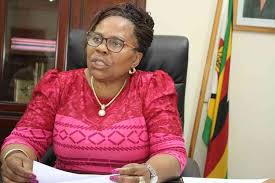
Minister of Women Affairs, Community, Small and Medium Enterprises Development Monica Mutsvangwa officially launched the national 2023 International Day for Rural Women commemorations in the capital city Thursday.
The International Day of Rural Women is a UN Calendar Event that is celebrated every year on the 15th of October. It is a day that has been set aside to reflect on the contributions that women in rural areas make to their families, communities and the country as a whole. This includes, their participation in political and socio- economic activities.
Speaking at the launch minister Mutsvangwa urged women to be capacitated in the rural area in order to carry the important activities there. ” There is rural urban migration, but let us also support the women in the rural areas as agriculture is the backbone of our economy”, she stated.
“The day recognises the role of rural women who contribute immensely to agriculture as well as food and nutrition security. Rural women also provide care work which however is unpaid and not valued and they also play many gender roles”, Mutsvangwa revealed.
“The International theme for 2023 is “Rural Women Cultivating Good Food for All”. The national launch will be at Muteo Value Addition Cooperative in the Save Valley community under Chief Tsovani in Ward 25 of Chiredzi District. Thereafter, commemorations will be in all provinces and districts”, she said.
“In line with the theme, the venue for the commemorations is a project site for Muteo Value Addition Cooperative run by 35 women and the purpose is to showcase their role in the food systems. The women are producing small grains and they add value to this produce. There is also a model village that is solar powered and this demonstrates the benefits of climate smart technologies”, she added.
According to the, 2019 Women and Men in Zimbabwe Report (ZIMSTAT), 80% of women live in the communal areas where they constitute 61% of the farmers and provide 70% of the labour force. Women have traditionally been assigned the onerous role of caregiving in their families. Rural women work 16 to 18 hours a day and spend at least 49% of their time on agricultural activities and about 25% on domestic activities.
“It is therefore important to celebrate our women’s hard work, resilience and achievements.This year, the International Day for Rural Women will be commemorated under the following objectives, celebrating and acknowledging the role of rural women in the development process with a focus on the role that women and girls play in the food system, strengthening resilience and raising awareness on the reduction of risk and vulnerability to climate change effects, raising awareness on available programmes supporting women empowerment and gender equality and how women can benefit and prompting Service Providers and Public-Private Partners to support and empower women enterprises in rural areas.
There will be exhibitions, entertainment, financial services and other services as well as presentations on various topics that will empower women with knowledge on food systems, climate change, empowerment and health issues, amongst others. Outstanding rural women will also receive awards at this event.
“The gender disparities in ownership, access to, and control of livelihoods and economic resources such as land, water, credit, knowledge, and labour negatively affect women’s food production. For instance, failure to access land and other resources often imply that women obtain lower yields than would otherwise be possible if household resources were allocated more equitably. Insecurity of tenure for women thus compromises their production potential and increases food insecurity. Greater food security would be achieved if women had access to needed assets, equipment and resources and had a voice in the decisions that have an impact on the lives of their households and communities”, she bemoaned.
Rural women often face constraints to market their produce due to factors such as lack of mobility and knowledge about markets, capacity to produce and lack of agricultural skills. Female agro- based entrepreneurs can play important economic roles that have positive effects beyond the micro level, for example, supplying food production, value addition and creation of employment opportunities.
“Climate Change is impacting negatively on agricultural and food production and women are amongst the most vulnerable groups. To mitigate the impact of Climate Change Government is implementing measures to make our farmers, particularly women, more resilient”, she noted.
“It is concerning that women are often hindered by discriminatory and harmful traditional practices and gender stereotypes from accessing opportunities to increase their success in the agriculture sector”.
“The significant hindrance to women’s potential to participate in the mainstream economy has been financial exclusion and this prompted the establishment of the Zimbabwe Women Microfinance Bank by my Ministry in 2017. The Bank provides financial literacy and affordable financing to enable women carry out income generating activities”, she explained.
“My Ministry has also established the Women’s Development Fund and the Zimbabwe Community Development Fund to enable women to access affordable funding. These funds are revolving loans aimed at promoting economic empowerment of women through the provision of collateral free and low interest loans. Women also benefit from programs supported by my Ministry such as the Internal Savings and Lending Schemes and the Savings and Credit Cooperative Societies (SACCOS)”, she revealed.
“My Ministry supports women to participate at local, regional and international shows and exhibitions in order for them to expose their products and acquire markets. To address the issue of infrastructure provision, my Ministry continues to partner with Local Authorities and Development Partners for the development of safe and gender responsive workspaces for women producers and traders”.
“My Ministry has also played a critical role in empowering women through business and technical skills development, technology transfer and value addition of agricultural and local resource endowments”, she said.
She concluded the official launch by inviting Zimbabweans from all walks of life to celebrate rural women’s achievements through this year’s International Day of Rural Women commemorations.
Speaking at the launch minister Mutsvangwa urges women to be capacitated in the rural area in order to carry the important activities there. ” There is rural urban migration, but let us also support the women in the rural areas as agriculture is the backbone of our economy”, she stated.
“The day recognises the role of rural women who contribute immensely to agriculture as well as food and nutrition security. Rural women also provide care work which however is unpaid and not valued and they also play many gender roles”, Mutsvangwa revealed.
“The International theme for 2023 is “Rural Women Cultivating Good Food for All”. The national launch will be at Muteo Value Addition Cooperative in the Save Valley community under Chief Tsovani in Ward 25 of Chiredzi District. Thereafter, commemorations will be in all provinces and districts”, she said.
“In line with the theme, the venue for the commemorations is a project site for Muteo Value Addition Cooperative run by 35 women and the purpose is to showcase their role in the food systems. The women are producing small grains and they add value to this produce. There is also a model village that is solar powered and this demonstrates the benefits of climate smart technologies”, she added l.
According to the, 2019 Women and Men in Zimbabwe Report (ZIMSTAT), 80% of women live in the communal areas where they constitute 61% of the farmers and provide 70% of the labour force. Women have traditionally been assigned the onerous role of caregiving in their families. Rural women work 16 to 18 hours a day and spend at least 49% of their time on agricultural activities and about 25% on domestic activities.
“It is therefore important to celebrate our women’s hard work, resilience and achievements.This year, the International Day for Rural Women will be commemorated under the following objectives xelebrating and acknowledging the role of rural women in the development process with a focus on the role that women and girls play in the food system, strengthening resilience and raising awareness on the reduction of risk and vulnerability to climate change effects, raising awareness on available programmes supporting women empowerment and gender equality and how women can benefit and prompting Service Providers and Public-Private Partners to support and empower women enterprises in rural areas.
There will be exhibitions, entertainment, financial services and other services as well as presentations on various topics that will empower women with knowledge on food systems, climate change, empowerment and health issues, amongst others. Outstanding rural women will also receive awards at this event.
*The gender disparities in ownership, access to, and control of livelihoods and economic resources such as land, water, credit, knowledge, and labour negatively affect women’s food production. For instance, failure to access land and other resources often imply that women obtain lower yields than would otherwise be possible if household resources were allocated more equitably. Insecurity of tenure for women thus compromises their production potential and increases food insecurity. Greater food security would be achieved if women had access to needed assets, equipment and resources and had a voice in the decisions that have an impact on the lives of their households and communities”, she bemoaned.
Rural women often face constraints to market their produce due to factors such as lack of mobility and knowledge about markets, capacity to produce and lack of agricultural skills. Female agro- based entrepreneurs can play important economic roles that have positive effects beyond the micro level, for example, supplying food production, value addition and creation of employment opportunities.
“Climate Change is impacting negatively on agricultural and food production and women are amongst the most vulnerable groups. To mitigate the impact of Climate Change Government is implementing measures to make our farmers, particularly women, more resilient”, she noted.
“It is concerning that women are often hindered by discriminatory and harmful traditional practices and gender stereotypes from accessing opportunities to increase their success in the agriculture sector”.
“The significant hindrance to women’s potential to participate in the mainstream economy has been financial exclusion and this prompted the establishment of the Zimbabwe Women Microfinance Bank by my Ministry in 2017. The Bank provides financial literacy and affordable financing to enable women carry out income generating activities”, she explained.
“My Ministry has also established the Women’s Development Fund and the Zimbabwe Community Development Fund to enable women to access affordable funding. These funds are revolving loans aimed at promoting economic empowerment of women through the provision of collateral free and low interest loans. Women also benefit from programs supported by my Ministry such as the Internal Savings and Lending Schemes and the Savings and Credit Cooperative Societies (SACCOS)”, she revealed.
“My Ministry supports women to participate at local, regional and international shows and exhibitions in order for them to expose their products and acquire markets. To address the issue of infrastructure provision, my Ministry continues to partner with Local Authorities and Development Partners for the development of safe and gender responsive workspaces for women producers and traders”.
“My Ministry has also played a critical role in empowering women through business and technical skills development, technology transfer and value addition of agricultural and local resource endowments”, she said.
She concluded the official launch by inviting Zimbabweans from all walks of life to celebrate rural women’s achievements through this year’s International Day of Rural Women commemorations.
 News Sport Online